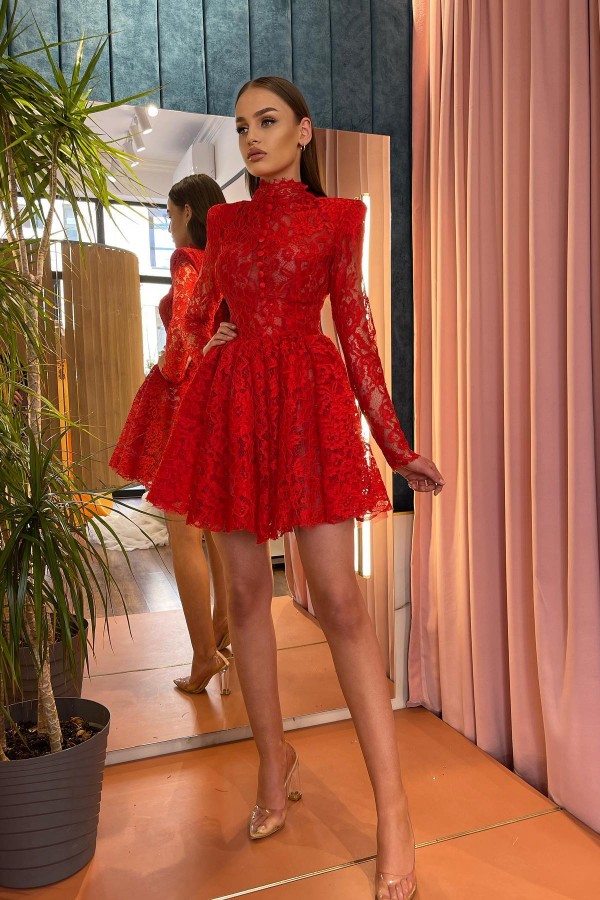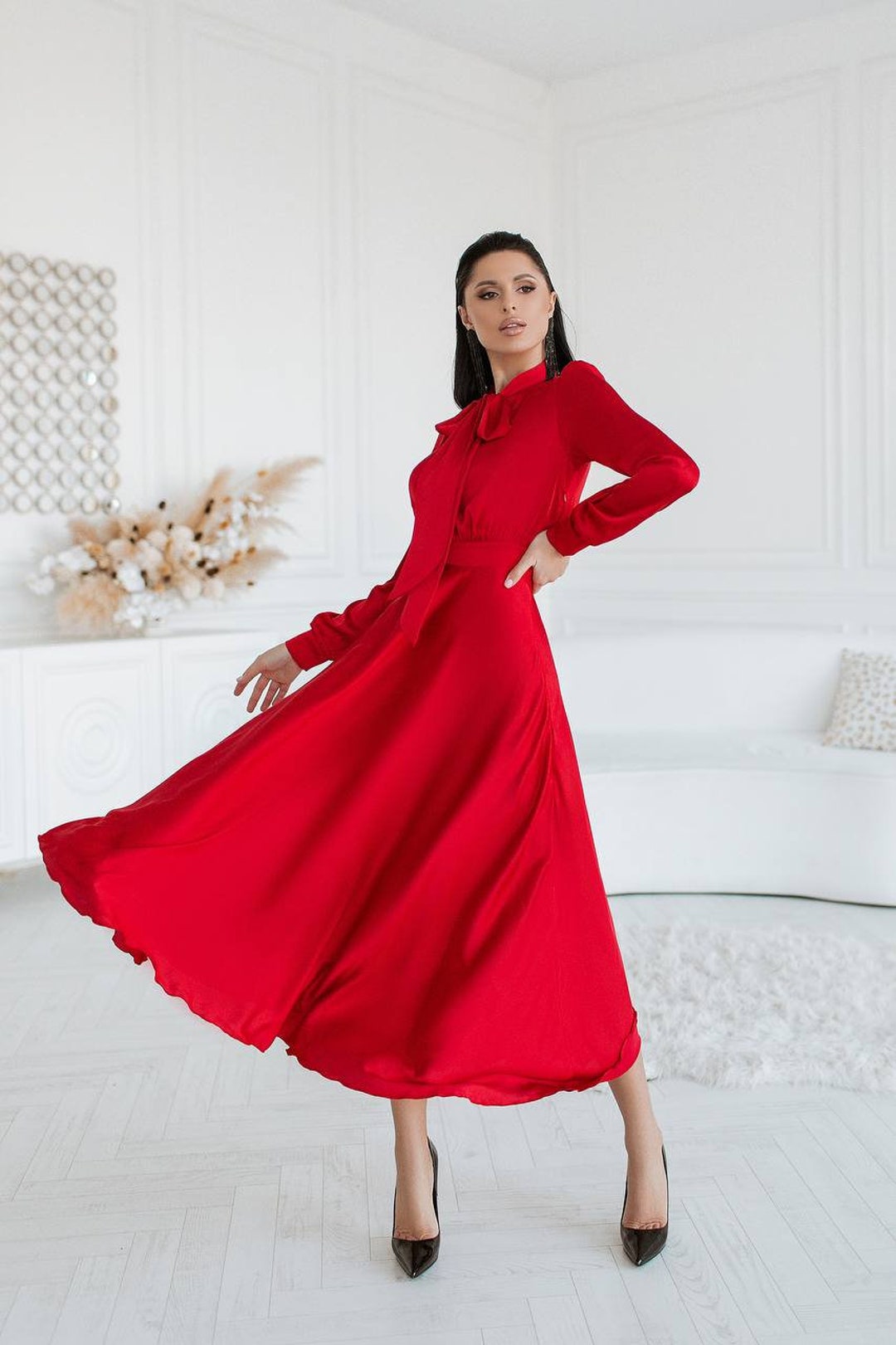
This is Molly and she decided to join me for photos today
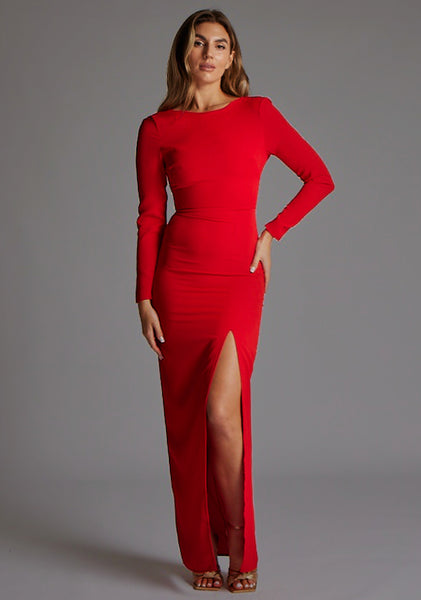
- Fabric: Polyester 97.0%, Spandex 3.0%
(except where mentioned) If you want to learn how to sew and make gorgeous retro dresses like this for yourself or for others, take a look at my FREE Beginners Sewing Course
This dress is extremely adjustable
In Fashion in Costume, 1200-2000 (2000) Joan Nunn discusses the changes in fabric and color during this time: Throughout the period light colours were fairly general for evening wear and were considered more suitable for young ladies, as were cottons like muslin or tarlatan, but by the 1860s cotton had lost ground as a high-fashion fabric, and silk, satin, taffeta, faille, moir, silk poplin from Ireland, and velvet for more mature ladies, were used for formal dresses. (166-67) Red was a relatively common color at this time among the elite due to its richness, especially when created through the new aniline (synthetic) dyes that evoked novelty and opulence
the Majority seen for several seasons, however, predominates